Conference Presentation
Incarnation in Nicaea: How Did the Divine and Human in Jesus Interact in Early Fourth-Century Christology?
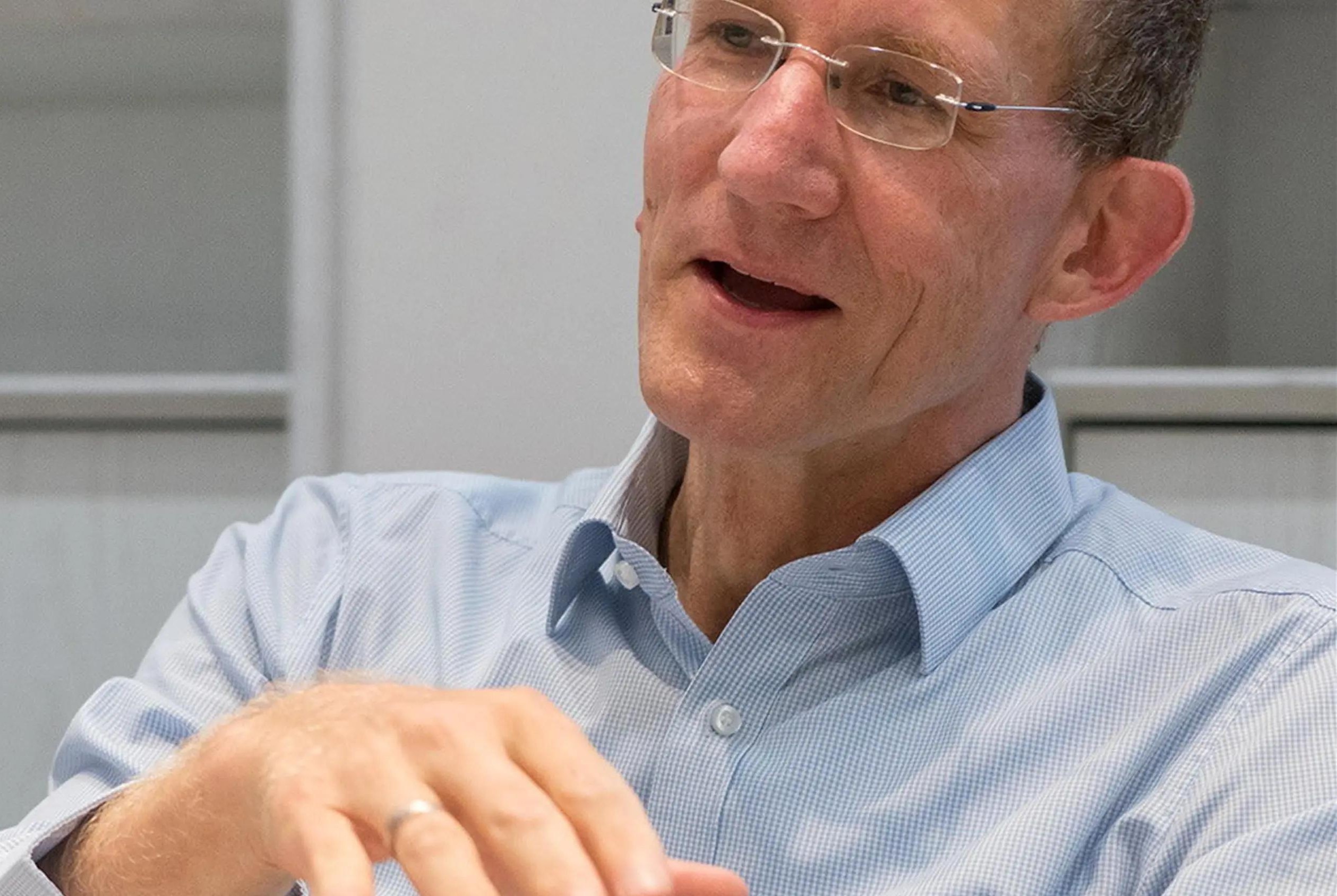
Prof. Dr. Volker Henning Drecoll
Professor of Church History, specializing in Patristics
Chair of Church History II – Early Church
Faculty of Protestant Theology
University of Tübingen
Germany
Presentation Date & Time
Friday, 6 November 2026
14:00 CET (Serbia time)
Conference
New Discoveries and New Directions in Biblical, Hebrew, and Theological Studies
European Hebrew Journal International Online Conference
Format
Live online via Zoom
Sign Up for Conference Updates by Email
By signing up, you will receive:
- • announcements of newly confirmed international speakers
- • newly announced presentation topics
- • important programme updates and conference news
- • Early Bird reminders before ticket prices increase
- • important registration information and deadlines
- • once a month, a carefully selected digest of important new scientific discoveries and research developments in 2026, especially in Biblical Studies, Hebrew, archaeology, ancient history, Jewish Studies, theology, linguistics, manuscripts, and related fields
Thank you for signing up!
Check your email for updates on new speakers, presentation topics, and conference news.
Something went wrong
Please try again or contact us if the problem persists.
Abstract
The presentation abstract will be announced soon.
About Prof. Dr. Volker Henning Drecoll
Volker Henning Drecoll is Professor of Church History with a specialization in Patristics at the Faculty of Protestant Theology, University of Tübingen, where he holds the Chair of Church History II with a focus on the Early Church. He has held his professorship at Tübingen since 2004. His scholarship focuses on early Christianity, patristics, the history of Christian doctrine and theology, fourth-century Christianity, Trinitarian theology, Christology, Augustine, Basil of Caesarea, and late-antique biblical exegesis.
Drecoll's research has long engaged with the theological controversies of the fourth century and with major figures including Basil of Caesarea, Gregory of Nyssa, Eusebius of Caesarea, Apollinarius, and Augustine. His doctoral research examined the development of Basil of Caesarea's doctrine of the Trinity and Basil's movement from Homoiousian theology toward a pro-Nicene theological position. His habilitation research focused on the emergence of Augustine's doctrine of grace.
His work is particularly relevant to the conference presentation on Nicaea. In 2025, the 1700th anniversary year of the Council of Nicaea, Drecoll published the study "Das Konzil von Nizäa – ein Wendepunkt?" ("The Council of Nicaea — A Turning Point?"). His recent scholarship also includes extensive research on Basil of Caesarea, early Christian exegesis, Trinitarian theology, and the intellectual and theological environment of fourth-century Christianity.
Education & Academic Background
Protestant Theology
University of Münster
1988–1993 | First Theological Examination, 1993
Doctorate in Theology
1996
Doctoral research: Die Entwicklung der Trinitätslehre des Basilius von Cäsarea: Sein Weg vom Homöusianer zum Neonizäner (The Development of Basil of Caesarea's Doctrine of the Trinity: His Path from Homoiousian to Neo-Nicene Theology)
Habilitation
1998
Habilitation research: Die Entstehung der Gnadenlehre Augustins (The Origin of Augustine's Doctrine of Grace)
Heisenberg Fellow
German Research Foundation (DFG)
2001–2004
Research Expertise
- • Early Christianity
- • Patristics
- • Church History
- • History of Dogma
- • Early Christian Theology
- • Fourth-Century Christianity
- • Council of Nicaea
- • Nicene Christianity
- • Christology
- • Trinitarian Theology
- • Basil of Caesarea
- • Gregory of Nyssa
- • Augustine of Hippo
- • Eusebius of Caesarea
- • Apollinarius
- • Late Antiquity
- • Late Antique Biblical Exegesis
- • History of Christian Biblical Interpretation
Selected Books and Publications
Drecoll, Volker Henning.
Die Entwicklung der Trinitätslehre des Basilius von Cäsarea.
1996.
Drecoll, Volker Henning.
Die Entstehung der Gnadenlehre Augustins.
1999.
Drecoll, Volker Henning, ed.
Augustin Handbuch.
Tübingen, 2007. Study edition, 2014.
Hauschild, Wolf-Dieter, and Volker Henning Drecoll.
Lehrbuch der Kirchen- und Dogmengeschichte. Band 1: Alte Kirche und Mittelalter.
Fully revised edition, 2016. Third edition of the revised version, 2023.
Drecoll, Volker Henning, and Christopher Scheerer, eds.
Augustinus. Späte Schriften zur Gnadenlehre: De gratia et libero arbitrio. De praedestinatione sanctorum libri duo.
CSEL 105, Berlin, 2019.
Drecoll, Volker Henning.
Basil of Caesarea as Exegete: An Analysis of his Homilies on the Hexaemeron.
STAC 141, Tübingen, 2025.
Selected Scholarship Relevant to the Presentation
Drecoll, Volker Henning.
"Das Konzil von Nizäa – ein Wendepunkt?"
2025.
Drecoll, Volker Henning.
"How Binitarian/Trinitarian was Eusebius?"
2013.
Drecoll's scholarship also includes substantial research on Gregory of Nyssa, Apollinarian Christology, Basil of Caesarea, Trinitarian theology, and fourth-century Christian theological controversies.
Current Research Projects
Digital Critical Edition of the Commentary on Isaiah attributed to Basil of Caesarea
Drecoll directs a research project devoted to a digital critical edition of the Commentary on Isaiah transmitted under the name of Basil of Caesarea (CPG 2911). The project investigates the manuscript tradition, textual history, authorship, and late-antique exegetical context of the work. It also considers ancient versions, including Georgian and Syriac witnesses. The critical edition is intended for open-access publication.
Basil of Caesarea's Hexaemeron
Drecoll has directed a major research project devoted to Basil of Caesarea's Homilies on the Hexaemeron and the interpretation of Genesis 1. The project examines structure, language, style, rhetoric, theological argument, biblical citation, exegetical method, and Basil's place within the broader history of fourth- and fifth-century Christian biblical interpretation.
Academic Profile
ORCID iD
University of Tübingen — Official Academic Profile
Keywords
The presentation keywords will be announced soon.
Suggested Citation
Drecoll, Volker Henning. "Incarnation in Nicaea: How Did the Divine and Human in Jesus Interact in Early Fourth-Century Christology?" Invited presentation at New Discoveries and New Directions in Biblical, Hebrew, and Theological Studies, European Hebrew Journal International Online Conference, 6 November 2026.
Attend This Presentation
Register for the European Hebrew Journal International Online Conference to attend the live presentation and receive twelve months of access to the complete conference recording library.